When you think of a chocolate hamper, images of silky truffles, glossy ganache, and glossy wrappers float to the surface. Yet, for many people, a chocolate hamper is a gift that can backfire. A chocolate hamper not suitable for dietary restrictions can leave the recipient scrambling, the giver scrambling, and the whole occasion a bit… sticky. In this guide, we’ll explore why the warning matters, how to read labels like a detective, and what alternatives can keep everyone happy and safe.
Why the Warning Matters
Common Ingredients That Trip the Alarm
Even the most modest chocolate hamper can hide a host of allergens and dietary red flags. Consider the usual suspects:
- Nuts (almonds, hazelnuts, walnuts) Dairy (milk, cream, butter) Gluten (in some chocolate bars or baked goods) Soy (as a stabilizer or flavoring) Eggs (in fillings or coatings)
These ingredients can cause severe reactions in those with allergies or intolerances. A single piece of chocolate can trigger a cascade of symptoms, from mild hives to life‑threatening anaphylaxis.
The Impact on the Recipient
Imagine opening a beautifully wrapped hamper only to find a hidden nut‑infused truffle. The shock is immediate, the guilt, immediate. If the recipient is vegan, the presence of dairy or eggs is a betrayal. If they are gluten‑free, a chocolate bar with wheat can feel like a slap in the face. The psychological toll can eclipse the gift’s original intent. It’s not just about the chocolate; it’s about respect and safety.
Reading Labels Like a Detective
Key Terms to Watch For
When scanning a chocolate hamper’s contents, keep an eye out for:
- Contains: “Contains nuts” or “Contains dairy” indicates a potential cross‑contamination risk. Allergen statement: “May contain traces of…” Ingredient list: A long list often signals hidden additives.
Tools and Resources at Your Disposal
- Allergy apps: Many smartphones now have barcode scanners that reveal allergen information instantly. Manufacturer websites: They often list detailed ingredient breakdowns. Specialty stores: Shops dedicated to allergy‑friendly products are usually transparent about their sourcing.
These tools help you avoid a situation where the hamper becomes a health hazard.
Alternatives That Keep Everyone Sweet
Gluten‑Free, Dairy‑Free, and More
If you’re worried about a chocolate hamper not suitable for dietary restrictions, consider these options:
- Gluten‑free chocolate: Many brands now offer bars made with rice or sorghum instead of wheat. Dairy‑free chocolate: Coconut milk or soy milk chocolates are common. Nut‑free chocolate: Look for “hazelnut‑free” or “peanut‑free” labels. Vegan chocolate: Free of all animal products, these are ideal for vegans.
DIY Hamper Ideas
A homemade hamper can be personalized and safe:
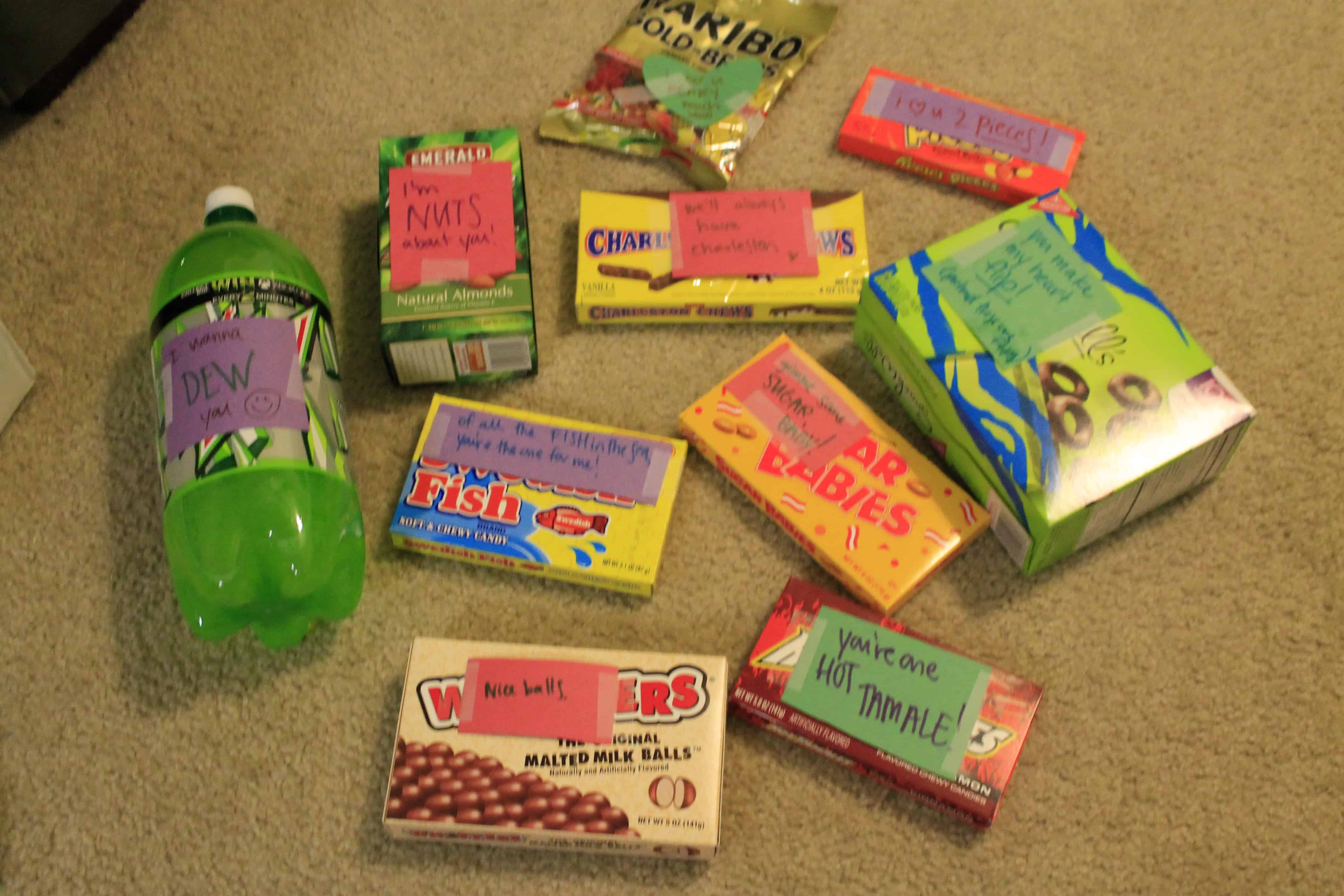
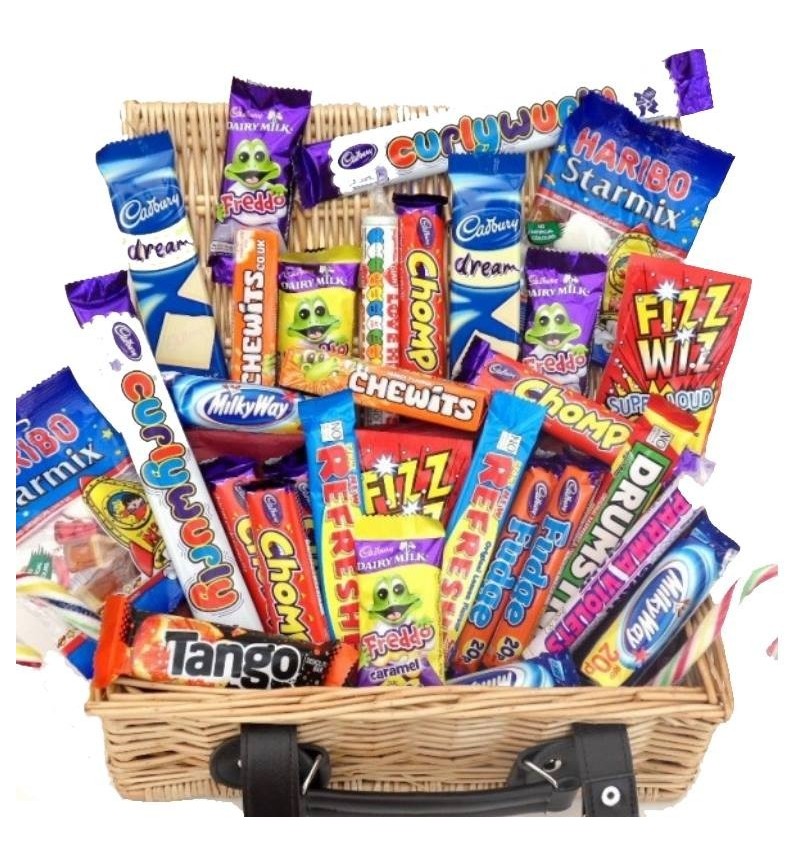
- Select single‑ingredient chocolates: Pure dark chocolate or single‑bean chocolate bars. Add a note: “Enjoy safely!” Include a small guide: A printed list of ingredients for each item.
The effort you put into a DIY hamper shows that you’ve thought about the recipient’s needs.
The Art of the Apology and the Gift Swap
How to Turn a Misstep into a Memorable Moment
If you realize the hamper is a mistake, act quickly. Offer a sincere apology, explain the oversight, and present a suitable alternative. A heartfelt apology can transform a potential disaster into a story you’ll laugh about later. Remember: “People will forget what you said, people will forget what you did, but people will never forget how you made them feel.” — Maya Angelou
Etiquette Tips for Sensitive Situations
- Ask beforehand: A simple, “Do you have any dietary restrictions?” can prevent mishaps. Keep it light: A joke about the “great chocolate mystery” can ease tension. Offer a swap: Let the recipient choose a new hamper or a different treat.
These small gestures can turn a potential awkwardness into a bonding experience.
Making Your Selection Count
Choosing a chocolate hamper that respects dietary restrictions is more than a safety measure; it’s a statement of care. By checking labels, using tools, and opting for allergy‑friendly options, you transform a simple gift into a thoughtful gesture. If you’re unsure, a DIY hamper or a well‑researched store product can save the day. The next time you reach for a chocolate hamper, remember: the sweetest chocolate gift baskets gift is one that everyone can enjoy safely.
---